
All Sermons
The reflection below was written by the Rev. Roger Douglas as part of the introduction to his book An Audience of One. It expresses the spirit behind all of his preaching and offers a helpful way to approach the sermons preserved in this archive.
As you read these sermons, you may find they help you make sense of the world, or invite you into your own conversation with God. Roger often said that he sought meaning in a world of death and suffering, beginnings and retirements, successes and failures, sense and nonsense.
His experience as a preacher taught him that most sermons first speak back to the one who writes them; the real dialogue is between the preacher and God. If anyone in the congregation hears a word that touches them, it is because God has chosen to let them in on that conversation.
Roger believed that preaching is deeply personal work — a struggle to make sense of Scripture, an openness about doubts, and a willingness to share the journey. The more honestly he engaged that struggle, the better others were able to identify with it.
He described this kind of work as “confessional” preaching, not in the sense of offering anecdotes, but in speaking truthfully from within one’s own life while pointing people toward Jesus. It frees the preacher from having to solve every problem and reminds us that we are not steering the ship, but contributing our part to the dialogue.
May these sermons draw you into that same conversation of faith — one marked by mystery, humility, and the grace of God at work in all things.
-
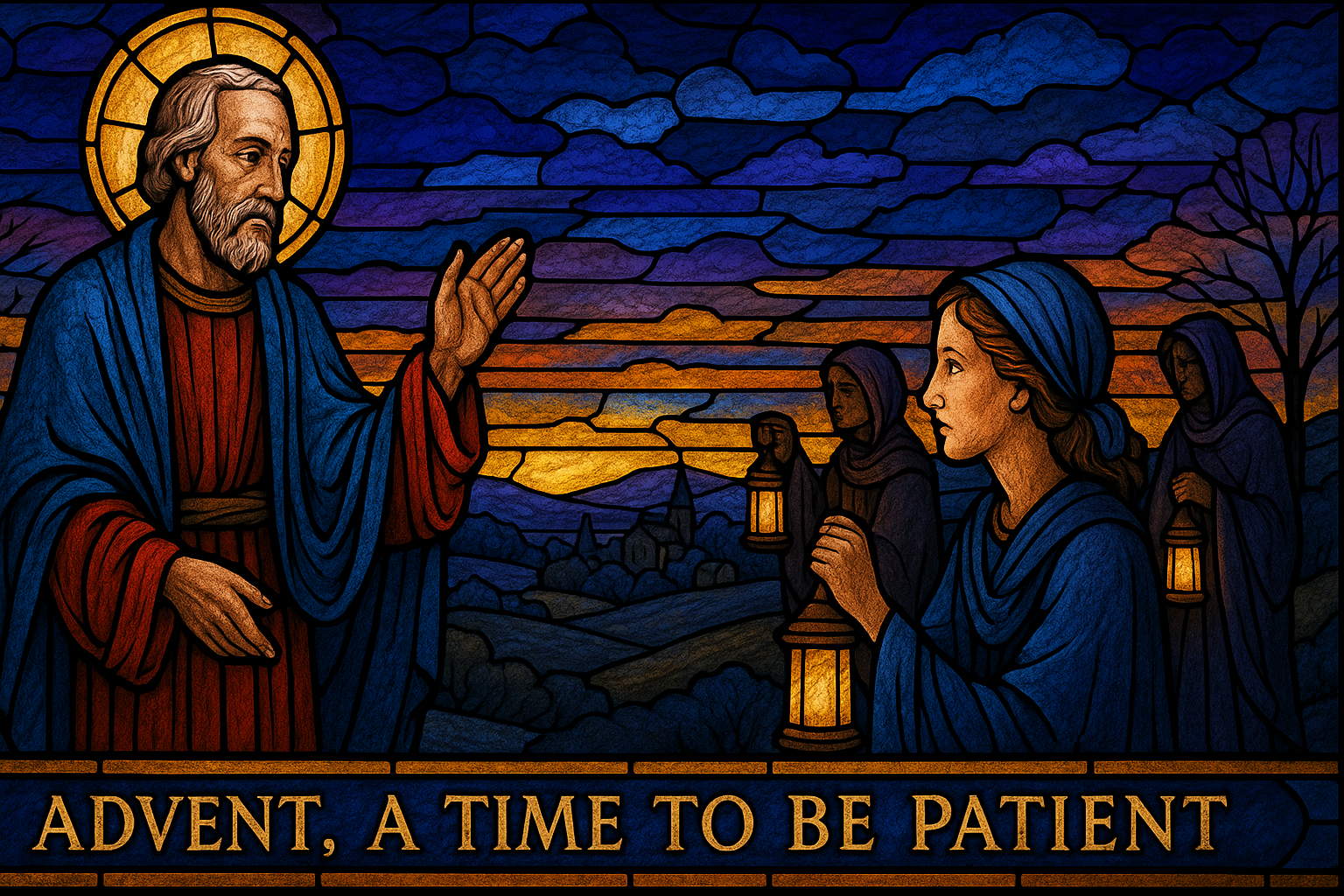
“Advent, A Time to Be Patient”
“Advent, A Time to Be Patient” James 5: 7-10; Matthew 24: 42-51 December 17, 1995 I want to begin our thoughts this morning with a prayer that the Archbishop of York gave at a gathering of bishops from all over the world. Let us pray: Eternal God, who tarries oft beyond the time we hope…
-
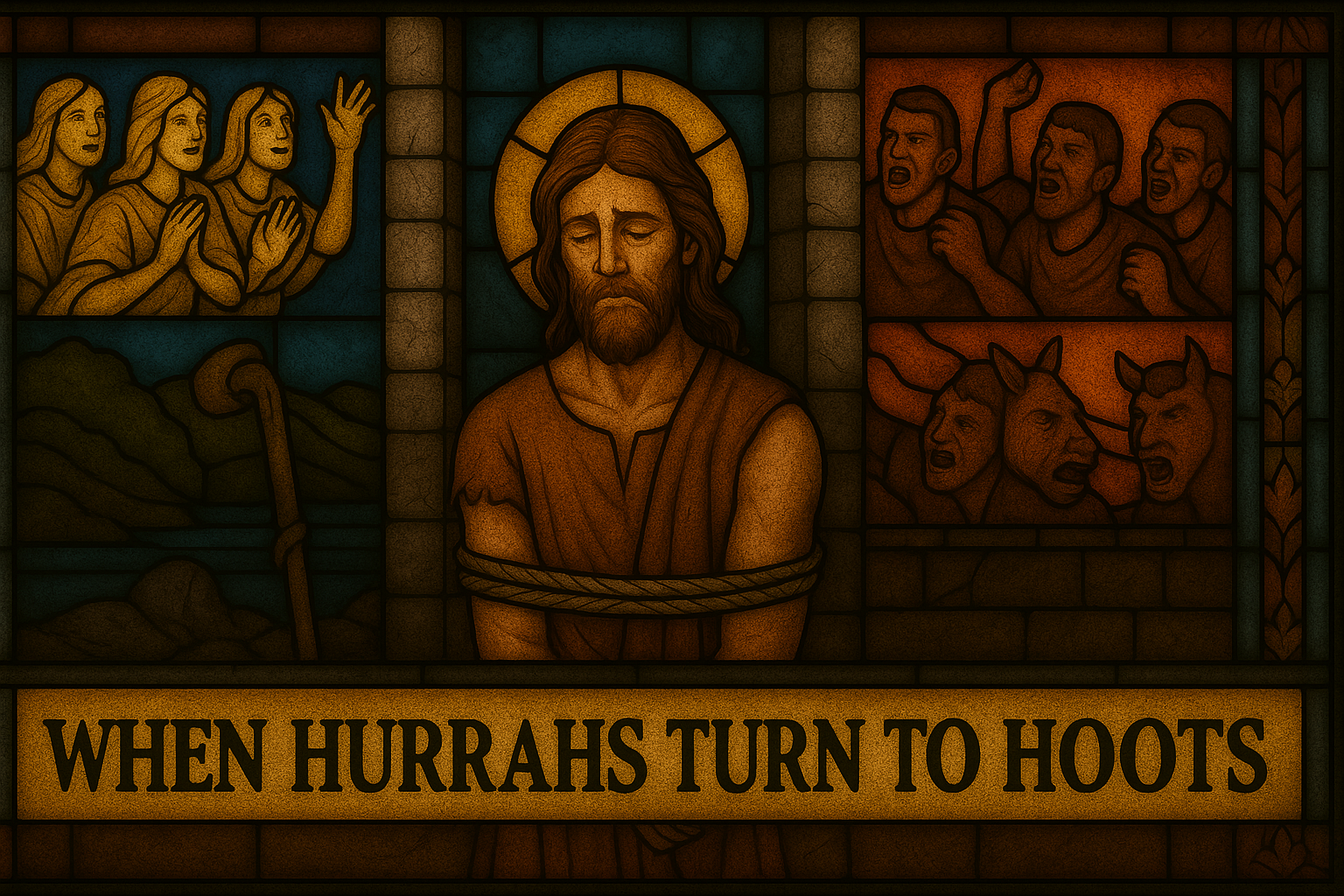
When Hurrahs Turn to Hoots
When Hurrahs Turn to Hoots Matthew 3: 1-13 December 3, 1995 How quickly the hurrahs of today become the hoots of tomorrow. John, our central character today, was a great success as a traveling preacher, but he ended up at the king’s birthday party looking like a piece of sliced turkey with his head severed…
-
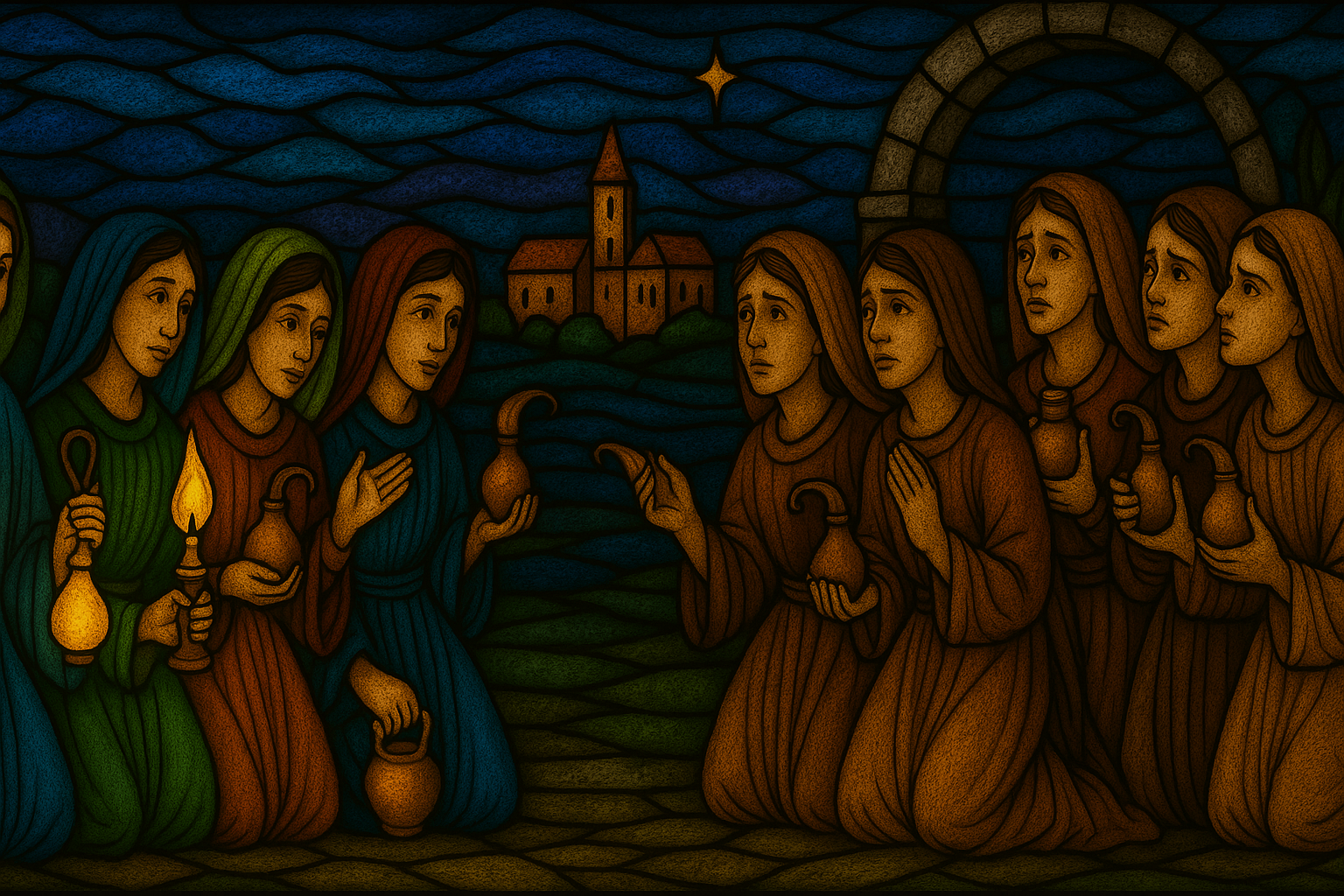
“What Ought I to Do?”
“What Ought I to Do?” Matthew 25: 1-13 October 22, 1995 I have a recurring nightmare. It’s Sunday morning, and the church is full. I step into the pulpit to preach – look down at the lectern and there is nothing there – no manuscript, no notes, and my mind is a blank. I’ve forgotten…
-
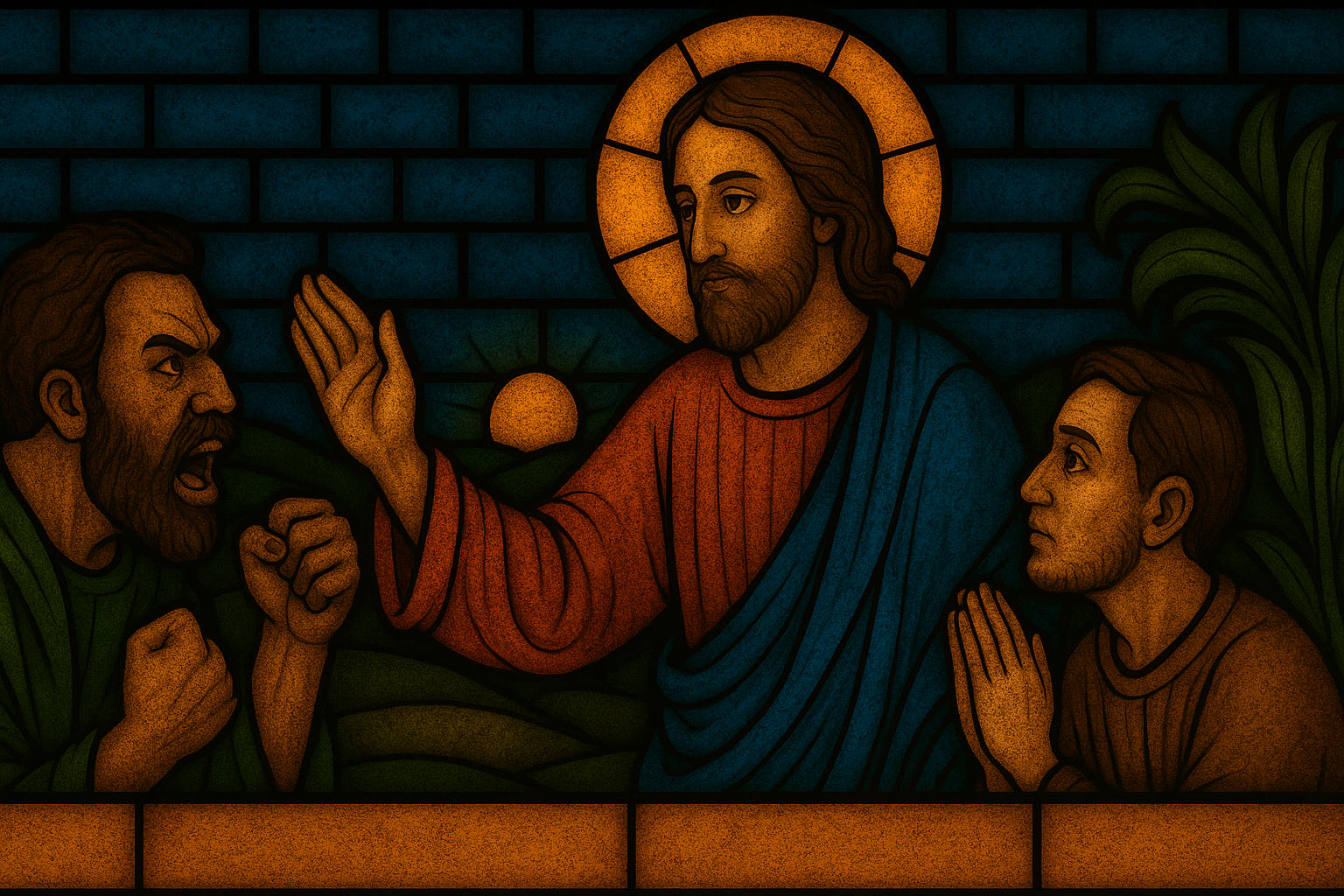
Handling Anger
Handling Anger Ephesians 4: 26-32 Matthew 10: 21-35 October 3, 1999 I would like to talk to you this morning about something we all have a fair amount of – about something we’re not very successful at managing. We often deny we have it, bury it, bottle it up, and sometimes it explodes at inconvenient…
-
“What Can I Know?”
“What Can I Know?” 1 Corinthians 13 October 1, 1995 My text comes from the 13th chapter of Paul’s letter to the Corinthians. This is one of the most repeated chapters in scripture. I’m always amazed that 9 out of 10 times, this is the choice of people for their wedding service. It really has…
-
Consumerism vs. Compassion
Consumerism vs. Compassion Luke 16: 1-3 September 24, 1995 Listen to the words of Amos: “Hear this, you who trample upon the needy and bring the poor of the land to an end.” Who me? Surely, he isn’t referring to me. A church-going, card-carrying, collar-wearing Christian. But then again, it is to the religious person…
-

Lostness and Foundness
Lostness and Foundness Sept 17, 1995 Towards the end of Christopher Fry’s play, “The Lady’s Not for Burning,” we hear this strange dialogue: Margaret says, “Have any of you seen that poor child, Alison? I think she must be lost.” Nicholas replies, ‘Who isn’t? The best thing we can do is to make wherever we’re…
-

“Welcome Back”
“Welcome Back” September 10, 1995 A friend of mine recently became rector of St. Bartholomew’s Church in New York City. He recounts this story. One Sunday, a seedy-looking man came to the main service. He walked right past the ushers and sat up front, just under the pulpit. When the rector started to preach, he…
-

Pentacost 1995
Pentacost 1995 June 4, 1995 In the name of the living and true God, whose spirit binds all in one body. Amen Maria Montessori, the founder of a system of education, has been quoted as saying: ‘What children hear, they forget. What children see, they might remember. But what they do – they become.” You…
-
Saying Goodbye
Saying Goodbye May 19, 1996 John Hughes, a British psychologist, contends that saying hello and saying goodbye are the two major learning tasks all humans need to accomplish. He states: “I would venture to say that 98% of all people in mental hospitals are there because of a faulty ability of saying hello or good-bye.…