Homecoming 1994
Hebrews 11: 13-16
Luke 15: 1-10
September 11, 1994
Today, we celebrate ‘homecoming Sunday.” I really appreciate the committee’s (changing the name from ‘Welcome Back.” Every year, with the old name, I would be stopped by the more regular church-goers asking why they were being welcomed back when they had never been away. Very confusing!
Well, this year the committee changed the name to “Homecoming.” It seemed to have a more seasonal feel. Most universities and other similar institutions celebrate some kind of day where students, faculty, and alumni all come together, marking a special time – a day of meetings, a day of festivities, a day of celebration. The only ingredient we seem to be lacking is a point of high drama – The Big Football Game, where we can cheer the team, second-guess the coach, and fantasize that we are on the playing field. In place of that, we have the drama of the Eucharist. The Eucharist – where you can cheer the teams, second-guess the preacher, and even leave the stands and get on the playing field by emerging from the pew and walking up to the altar.
But enough with names and analogies. Homecoming it is. Homecoming for you, for me, and for all of us together. This celebration affords me an opportunity to express my gratitude for being with you at this time and at this holy place. Putting it in a more theological and broader context, I am grateful for being able to walk with you on this pilgrimage homeward. Our Epistle reminds us we are strangers and exiles seeking a homeland.
There are two moments I treasure the most during a Sunday. First, I enjoy going amongst you and greeting you before the service starts. I find there are strangers here from all over the world, and I get the feeling as if I am welcoming them to my house. To tell the truth, I sometimes fantasize that I come down the aisle using that wonderful Spanish greeting: ‘MI casa es su casa.” (My house is your house.)
The second moment I find most moving is during the distribution of bread and wine at Communion. Looking at the variety of faces – young and old, rich and poor, joyful and sad, hopeful and jaded, expectant and bored, searching and cynical – all reminding me that around the altar we are given a foretaste of the heavenly banquet where we all together will be made welcome to our real home. We are like the people described in the letter to the Hebrews – these strangers, these exiles, not having received what was promised, but we greet it from afar.
Every Communion, for me, then, is like a letter from home – hinting at what it will be like when I ultimately will complete my journey, my pilgrimage, and God will say: ‘Welcome home, Roger. Your place at the table is waiting. We have killed the fatted calf. We rejoice for all is ready. For this, my son, my daughter, was lost, but now is found.”
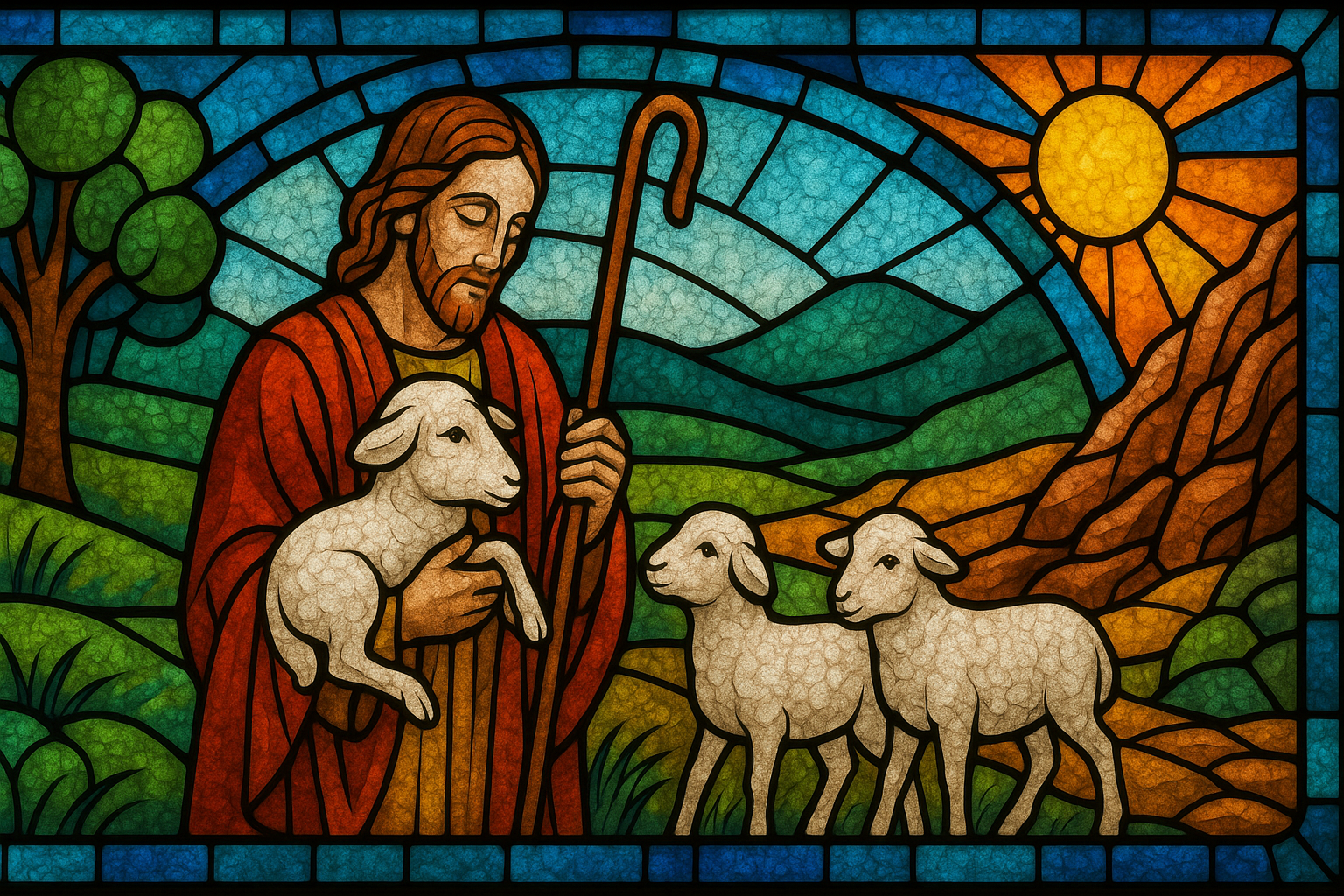
Homecoming – this is what our service is all about, Sunday after Sunday. This is what our magnificent church is all about. It is not our home, but it is a reminder, a foretaste from afar, a hint of where we are going and who we are. Pilgrims lost sheep – lost coins – on a journey home.
The question I would raise with you this morning is about expectations. Do you see yourselves as persons on a journey homeward? Do you see yourselves as lost sheep? Do you see this liturgy as a lively recollection of what homecoming will be like? Or is it a dead service – merely an obligation, a habit, entertaining, but not life-giving?
Somewhere, around 30 years ago, the English director, Peter Brook, took his production of Shakespeare’s King Lear to the Soviet Union and to the United States. Recently, he wrote an article comparing the differences in Moscow and Philadelphia. One audience was open to the drama – the other was not.
In Moscow, 30 years ago, the play was a huge success. The audience brought with them three essential things for good theatre. First, they brought a love of the drama. Second, they brought a sense of expectation that something would happen to them as a result of being there. And lastly, and above all, they brought the willingness to make connections with the play’s themes and their own life experiences.
In Philadelphia, on the other hand, it didn’t go as well.
The actors performed competently, but the audience was not really that interested. It was more of a social event. There was not as much love, hunger, or connections. There were no ingredients in Philadelphia for good theatre.
That’s similar to the church – good or bad theatre, good or bad audiences – good or bad liturgy. Are we expecting, hungering, for a taste of home? Are we making connections between the Gospel and our own lives? Or are we simply here to be entertained religiously? As I’ve often lamented, this is the best show in town for under five bucks.
A short while ago, we sang that popular hymn, “Amazing Grace.” I sometimes wonder whether we understand the words we so glibly sing. In the first stanza, the words are: “Amazing Grace, how sweet the sound – that saved a ‘wretch’ like me.” Do we know what it means to be a wretch? I looked it up and found the word “wretch” refers to the magi – the wise men who traveled from far-off lands, bringing gifts to the Christ child. A wretch is an exile, a stranger, one far from home, one who is hungry for home, one who is homesick.
Is that what we might say about ourselves? Can we say, using St. Augustine’s famous words: “Our hearts are restless, until they find their rest in thee.”? Are we alive to, aware of, and anticipating a journey home?
So, let me welcome you to this homecoming celebration. You who are wretched, you who are journeyers, you who are pilgrims, you who are searchers, you who are exiles, you who are sinners, you who are sons and daughters of God. Welcome to the feast where the host says to each one of us: “MI casa es su casa.” AMEN.
Homecoming 1994
Homecoming 1994
September 11, 1994
Scripture: Hebrews 11: 13-16, Luke 15: 1-10